Taco Bell’s Traffic Recovery: How Restaurants Can Identify Problems Before Customers Stop Coming
Changes in customer traffic are unavoidable in the restaurant business. What worries restaurant owners most, however, is not simply seeing fewer customers—it is not knowing why they stopped coming.
Traffic may decline because of seasonal changes, holidays, weather, local competition, or even a food safety issue. The sooner a restaurant identifies the cause, the sooner it can respond.
Taco Bell recently faced this challenge during a multistate Cyclospora outbreak linked to recalled shredded iceberg lettuce from one of its suppliers. After health officials publicly connected some illnesses to lettuce served at Taco Bell locations, visits dropped sharply. Third-party location data showed that traffic fell by approximately 30% on one of the most affected days.
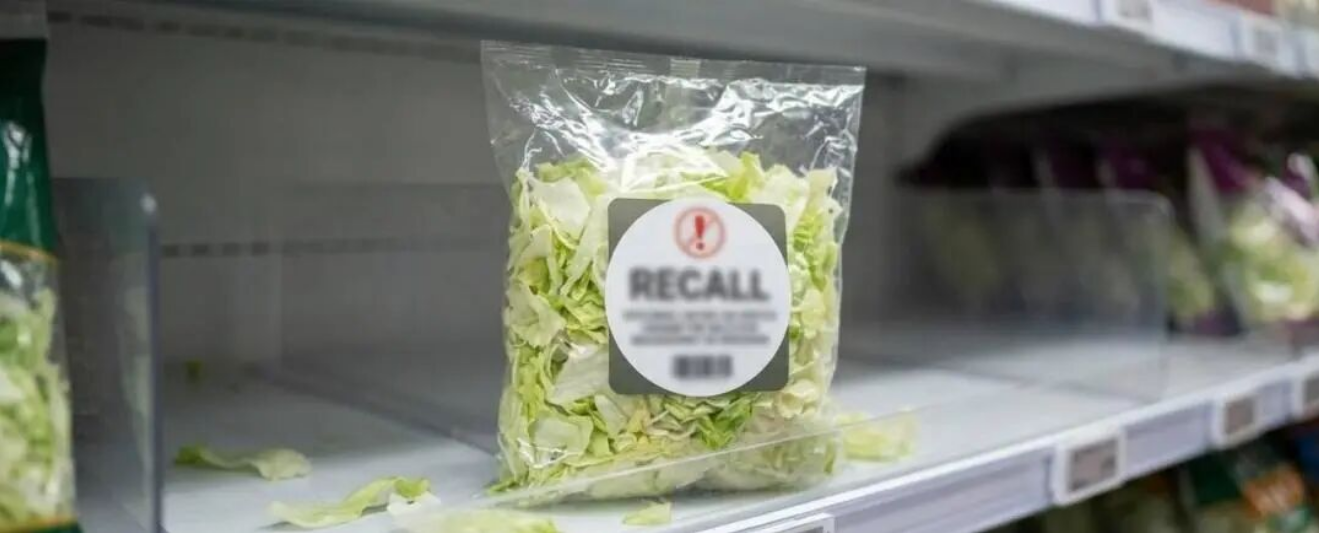
Taco Bell responded quickly. The company removed lettuce from the affected supplier within 72 hours of being notified and introduced value-focused, lettuce-free promotions—including selected $1 menu items—to encourage customers to return.
Traffic and sales trends later began to improve. Yum! Brands CEO Chris Turner said one of Taco Bell’s Tuesday Drops promotions generated record traffic, transactions, and new loyalty-member sign-ups for the program.
Taco Bell’s experience offers an important lesson for independent restaurant owners: solving a traffic problem starts with understanding why it happened.

Some may assume that Taco Bell responded quickly because it is a large brand with extensive resources and experienced crisis-management teams.
Scale certainly helped, but the most important advantage was clarity. Taco Bell understood what was causing customers to hesitate and could respond directly by removing the affected product and promoting affordable items without lettuce.
Independent restaurants often face a more difficult situation. Customer traffic declines, but the reason is not obvious.
The underlying problem may have existed for months:
- Wait times may be too long during peak hours.
- The quality of a popular dish may be inconsistent.
- Service may not meet customer expectations.
- Takeout orders may frequently be delayed or incorrect.
- Customers may feel that the experience no longer matches the price.
Most dissatisfied customers will not explain the problem to the owner. They simply visit less often—and eventually stop returning.
The key is to recognize the warning signs before that happens.

1. Monitor Food Safety and Supply Chain Alerts
Taco Bell’s traffic decline was connected to a supplier-related food safety event, not necessarily a failure in day-to-day restaurant operations.
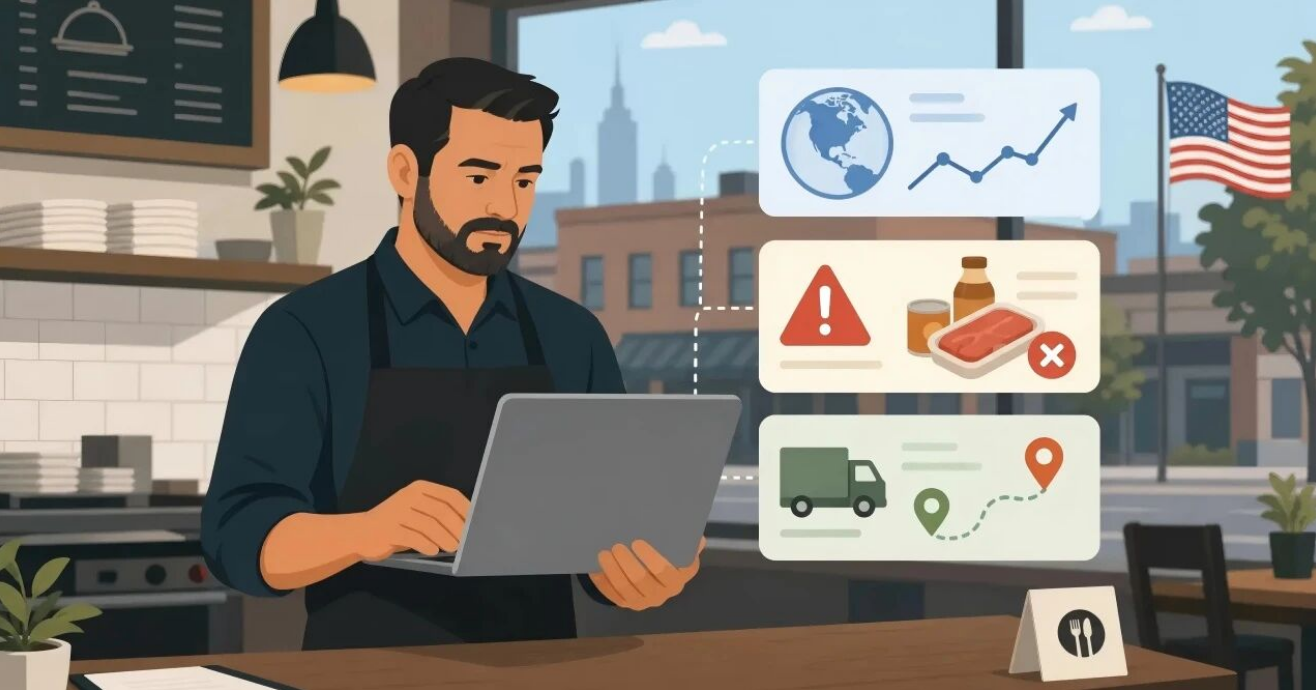
Restaurant risks do not always begin inside the restaurant. A recall involving one ingredient, supplier, or product category can quickly affect customer confidence.
Restaurant owners should regularly monitor:
- FDA and CDC food safety alerts
- Supplier notifications
- Product recalls
- Local health department updates
- News affecting frequently used ingredients
If a potential risk appears, owners can immediately check purchasing records, contact suppliers, and adjust ingredients or menu items when necessary.
Early action can prevent a supply chain issue from becoming a larger customer-trust problem.
2. Review Restaurant Sales Reports
A decline in revenue is a result—not an explanation.
When business slows down, owners often rely on experience to determine whether the problem is customer traffic, menu performance, service, or changing market conditions.
Restaurant POS reports provide a clearer picture. They can help owners identify:
- Which menu items are gaining or losing sales
- When traffic begins to decline
- Whether average order value is changing
- How dine-in, takeout, and online ordering channels compare
- Whether repeat customers are visiting less frequently
For example, if sales decline only during the dinner rush, the problem may be slow service rather than a lack of demand. If one popular dish suddenly receives fewer orders, its quality, price, or presentation may need attention.
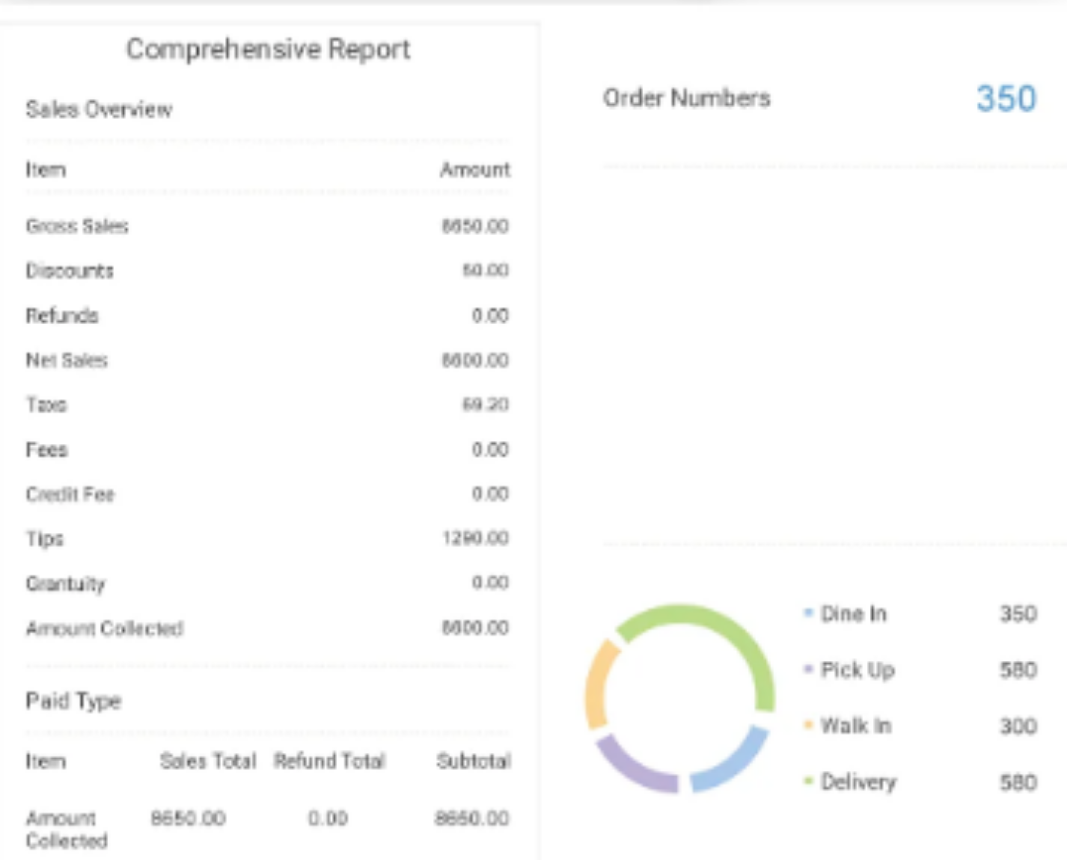
ZBS POS records sales, orders, and best-selling menu items while keeping restaurant data up to date. Instead of relying entirely on guesswork, owners can use this information to identify changes and investigate their causes.
3. Make Customer Feedback Easier
Sales data can show restaurant owners what happened. Customer feedback can help explain why it happened.
The challenge is that few customers want to complete a lengthy review process. Opening an app, searching for a restaurant, finding the correct page, and writing a review requires too much effort for many diners.
To receive more feedback, restaurants should make the process as simple as possible.
A shorter feedback path gives restaurant owners more opportunities to learn what customers enjoyed—and what may need improvement.
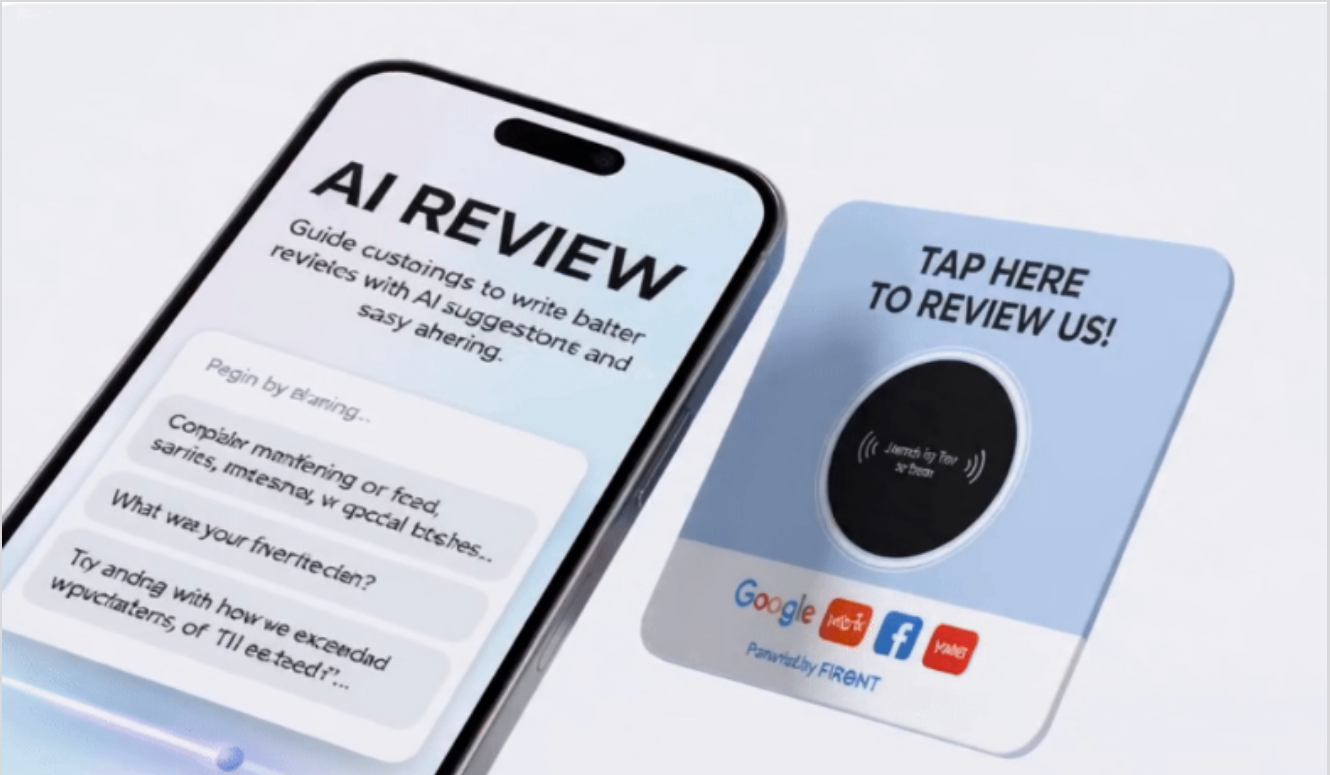
Front Review uses QR codes and NFC tap cards to shorten the review process. Customers can scan or tap, select a review platform, and share their experience within seconds.
4. Watch Operational Efficiency
Restaurants should also monitor what happens inside the dining room and kitchen, especially during peak periods.
Important indicators include:
- Waitlist times
- Ordering speed
- Ticket times
- Table turnover
- Order accuracy
- Employee workload during rush periods
If the restaurant struggles to handle peak-hour demand, customers may leave before ordering or decide not to return.
Digital tools can help reduce these problems. A waitlist system can organize the line and improve table management, while self-ordering kiosks can shorten ordering times and reduce pressure on employees.
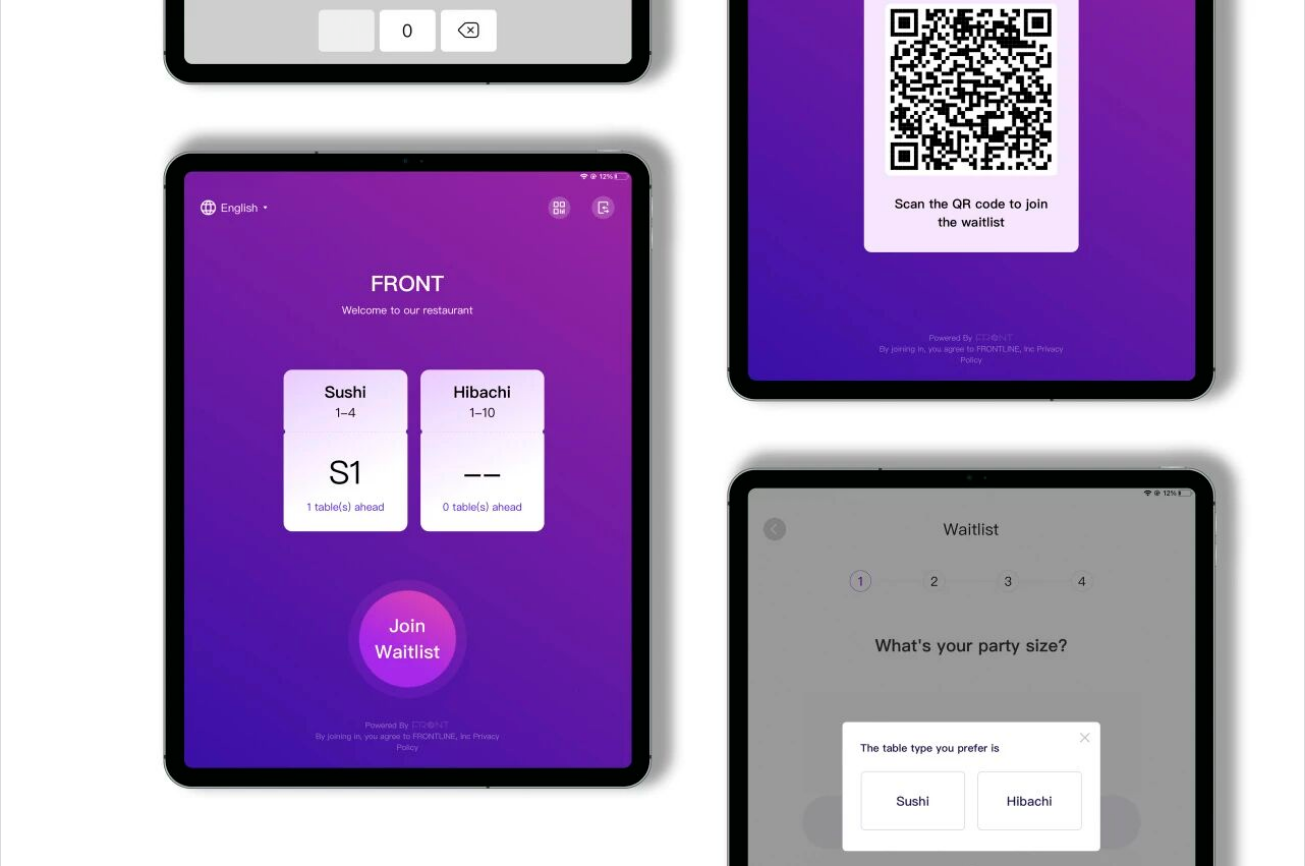
The ZBS POS waitlist system helps restaurants manage tables, improve the guest experience, and increase table turnover during busy periods.

In the past, independent restaurant owners often had to rely on daily revenue, employee comments, and personal observation to understand business performance.
Finding the best-selling dishes might require reviewing orders manually. Determining whether regular customers were disappearing could be even more difficult. By the time a pattern became obvious, the best opportunity to respond might already have passed.
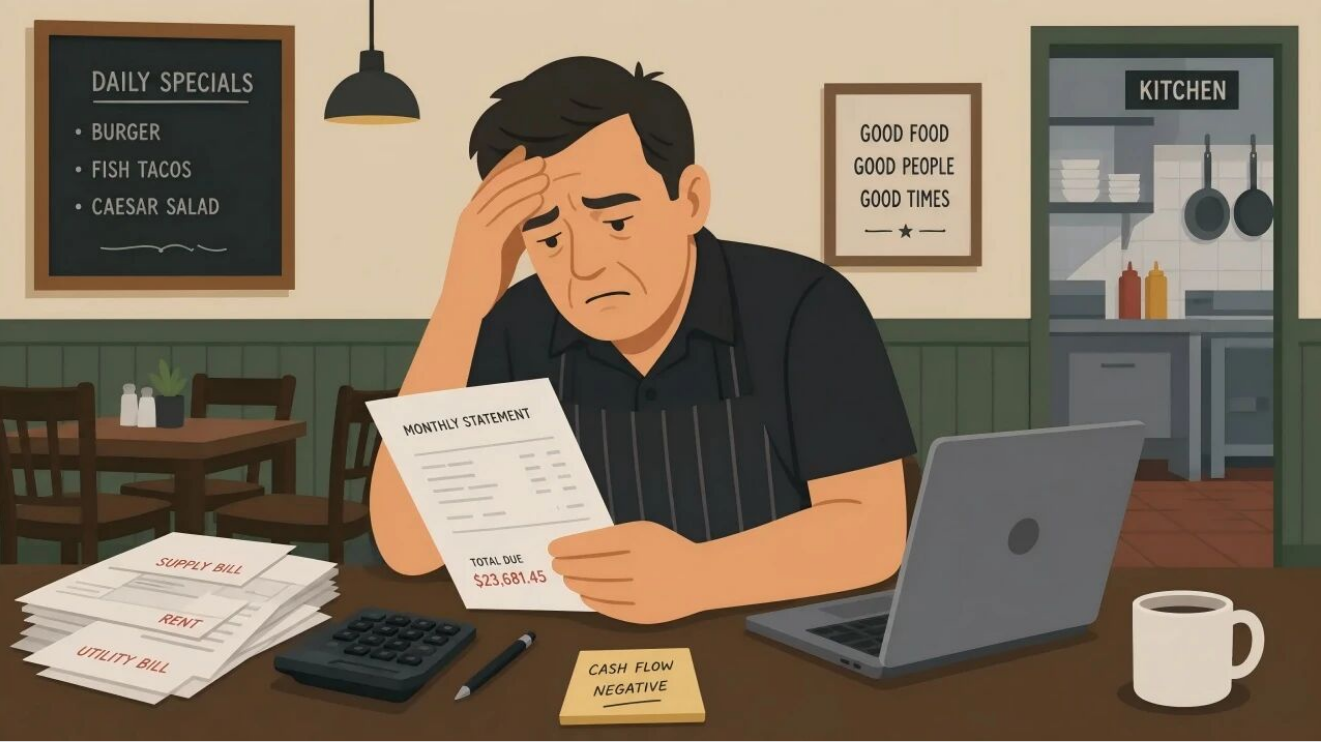
Today, a restaurant management system can automatically record and organize everyday operating data.
ZBS POS brings together sales analysis, order history, and customer management tools, helping restaurant owners recognize unusual changes earlier. For Chinese restaurant owners in the United States, a reliable restaurant POS system can provide a clearer view of the business without adding more manual work.
When performance changes, owners no longer have to rely only on instinct. They can use data to investigate the cause and choose a more targeted response.

Taco Bell faced a highly visible customer-trust crisis, making the source of its traffic decline easier to identify. Many independent restaurants face a quieter problem.
Customers may not complain or leave negative reviews. They simply visit less often and eventually choose another restaurant.
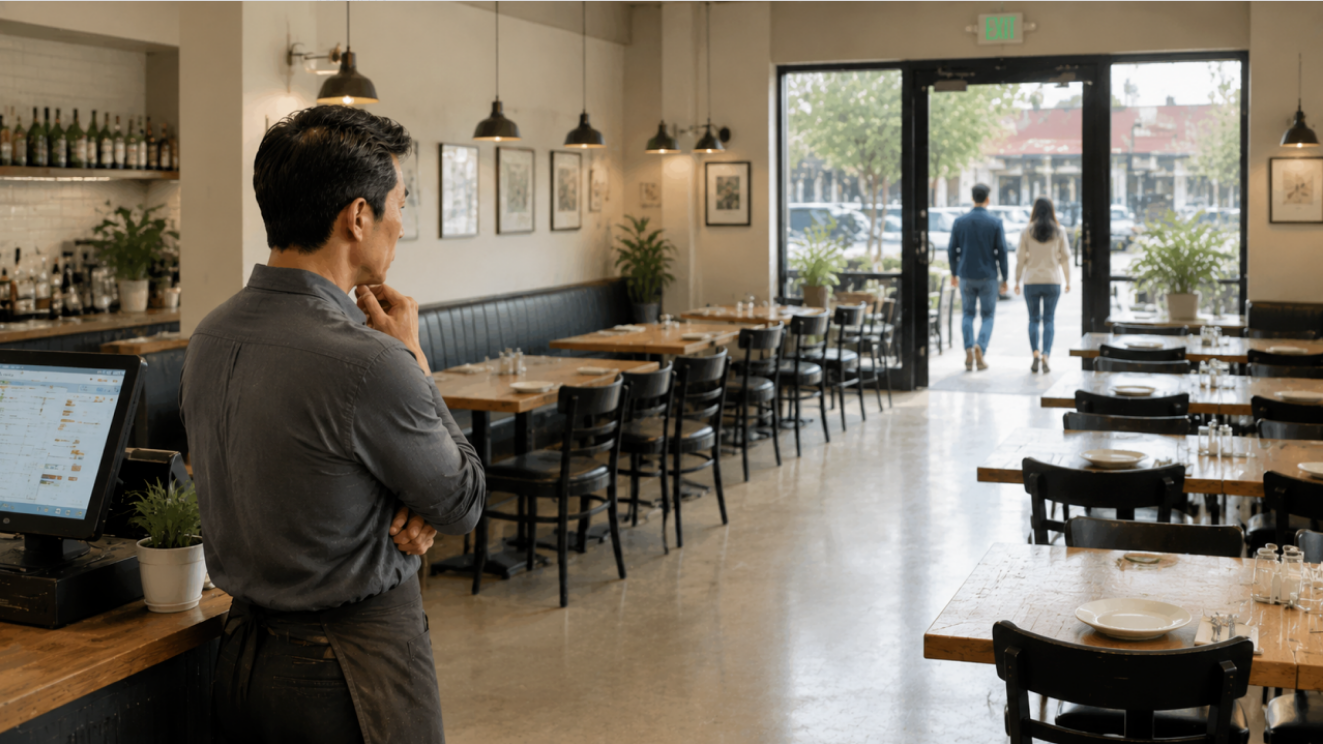
Restaurant owners should not wait until declining sales make the problem impossible to ignore. By monitoring external alerts, reviewing POS data, collecting customer feedback, and improving operational efficiency, restaurants can identify warning signs before more customers leave.
In an increasingly competitive restaurant market, understanding why customers return—or why they do not—is just as important as attracting them in the first place.