Good Harvest ZBS POS Customer Case Study
A Shared Pot Creates an Order That Keeps Changing
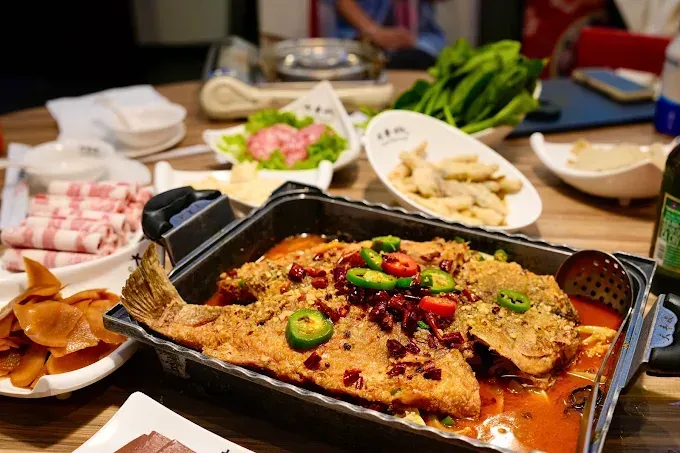
At a traditional Chinese restaurant, a check is often built one dish at a time. Dry pot and hot pot service usually revolves around one shared pot. Guests may first choose the pot or main ingredient, then add sides, select applicable flavors, and make other requests. They may continue adding items throughout the meal.
That means the order is not finished after the first round. Servers need to know which selections belong to the same table and pot, while the kitchen needs to see what was added in each new round. When those details depend on verbal instructions or scattered notes, longer orders require more checking.
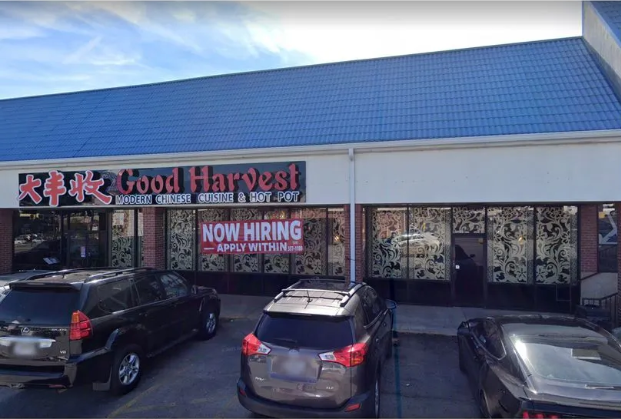
This Chinese restaurant in Doraville, Georgia serves both dry pot and hot pot. Front POS gives the restaurant one operating flow for order entry, added items, checkout, and reporting, helping detailed orders remain easier to record and review.
Break the Ordering Process Into Clear Steps
A dry pot or hot pot order is rarely as simple as tapping one menu item. Depending on the restaurant’s real menu, a server may need to confirm the pot or main ingredient, sides, portion, flavor, and other requests in a particular order.
The value of a POS menu is not the number of buttons it contains. The selection flow should match the way the restaurant actually takes orders. Choices that can be standardized may be configured as selectable options, while unusual requests can remain as notes.
This gives the server a repeatable way to confirm the order. It can also make the kitchen-facing information easier to understand by separating the main item, related selections, and special instructions.
The exact configuration must follow the restaurant’s real menu. Until the restaurant confirms its setup, this case study does not claim that any specific broth, spice level, side, or modifier is already enabled.
Add More Items Without Losing the Original Check
Dry pot and hot pot guests do not always place the entire order at once. During the meal, they may add more ingredients, drinks, or other items. The important operational step is placing those additions back on the correct table and check instead of creating a separate, unrelated transaction.
When the table and check remain clearly connected, employees can add items to the existing order, send the new selections forward for preparation, and review everything together at checkout.
The goal is not to remove employees from the service process. It is to reduce the amount of searching between paper notes, verbal messages, and separate checks.
Average Check Increased About 3 Percent While Daily Sales Stayed Stable
Complete August and September reports show a steady operating pattern:
- Daily sales changed by less than 2% between the two months.
- Average sales per transaction increased by approximately 3% in September.
- Daily transaction volume shifted modestly but remained within a similar operating range.
- Gift card sales appeared in both months, showing that the restaurant also used a payment tool connected to future visits.
These figures do not prove that one POS feature directly caused sales growth. A more accurate conclusion is that the restaurant maintained nearly the same daily sales level despite a small change in transaction volume, while the average value per transaction increased moderately.
For a shared dining format in which guests can continue adding items, consistently recording every round of the order is essential before management can evaluate average check performance.
Discounts, Voids, and Payments Need a Clear Record Too
Complex dine-in service does not end when food is entered. Before a check is closed, a restaurant may need to apply a check-level discount, an item discount, a void, a gift card payment, or another payment method.
If those adjustments live in paper notes or verbal explanations, it becomes difficult for management to understand why a check changed. A unified transaction report allows managers to review summarized sales, discounts, voids, tips, and payment methods from the same reporting environment.
The purpose of reporting is not only to show the day’s total. It is also to leave a record of the adjustments that shaped that total.
What Matters Is the Workflow, Not the Device List
For a dry pot and hot pot restaurant, the right POS is not defined by hardware model names. It is defined by how well the system handles the restaurant’s real order structure:
- Can employees easily review a shared-pot order for the whole table?
- Can the main item, sides, and applicable flavor requests be recorded clearly?
- Can guests continue adding items during the meal?
- Do new items return to the correct table and check?
- Are discounts, voids, gift cards, and other payment methods recorded consistently?
- Can management review the complete transaction history from one back office?
The order itself will still be detailed. The value of the system is making those details easier for the front counter, servers, kitchen, and management to follow.

Conclusion
The appeal of dry pot and hot pot is that a group can gather around one pot, make choices together, and continue adding items throughout the meal. Operationally, that flexibility creates an order that must stay open, organized, and easy to review.
Front POS gives this Doraville restaurant a management foundation built around tables, checks, added items, payment, and reporting. The two months of data do not show an exaggerated growth story. They show something more credible: daily sales remained at a similar level while average sales per transaction increased modestly.
For a dry pot and hot pot restaurant, the value of a POS is not making the order simple. It is keeping a complex order clear.