Back-to-School Season Is Here: How Can Independent Restaurants Attract More Student Customers?
As late August approaches, colleges and universities across the United States welcome students back to campus. For restaurants, their return often means increased foot traffic and new sales opportunities in surrounding neighborhoods.
That is why many foodservice brands launch student-focused promotions during the back-to-school season.
From 7-Eleven targeting busy morning routines with convenient breakfast deals to KFC encouraging group orders with a buy-one-get-one-free offer and Chipotle building long-term relationships through a student rewards program, major brands are moving beyond simple discounts. Their strategies increasingly focus on specific dining occasions, customer behavior, and long-term retention.
Back-to-school season can be just as valuable for small and independent restaurants across North America. While local restaurants may not have the marketing budgets of national chains, they can still apply many of the same strategies on a smaller and more practical scale.
The Short Answer
Independent restaurants can attract more student customers by focusing on three areas:
- Create offers around specific dining occasions, such as breakfast, lunch breaks, and late-night meals.
- Introduce shareable meals that encourage students to order with friends or roommates.
- Use a restaurant POS system, loyalty program, and SMS marketing to turn first-time visitors into repeat customers.
1. Win the Right Dining Occasions
Once classes begin, students return to more predictable schedules. Mornings become busier, lunch breaks are limited, and daily dining habits become more consistent.
In August, 7-Eleven introduced several back-to-school breakfast offers, including a $3 Sausage Biscuit with hash browns, two Chicken Biscuits for $5, and two Sausage, Egg and Cheese Biscuits for $7.
The idea is simple: make breakfast convenient for people heading to school or work. Customers do not need to spend time deciding what to order—they can pick up a ready-made combination and continue with their day.
Independent restaurants can apply the same thinking. A restaurant near a college might offer:
- Grab-and-go breakfast before morning classes
- Quick lunch combinations during short class breaks
- Afternoon snack specials
- Late-night meals for students studying nearby
For example, if students pass your restaurant between 7:30 and 8:30 a.m. but your restaurant is closed—or does not offer convenient breakfast items—you may be missing an important sales window.
Instead of starting with “What discount should we offer?” ask: “When do nearby students need food, and what is most convenient for them?”
2. Encourage Group and Shareable Orders
Students often eat with friends, classmates, or roommates. This makes group meals and shareable orders especially relevant during back-to-school season.
KFC used a buy-one-get-one-free offer on its Popcorn Chicken Big Box to encourage this type of purchase. Rather than simply reducing the price of one item, the promotion gave customers a reason to order with someone else.
It changes the customer’s question from “Should I buy this?” to “Would this be a better deal if I shared it with a friend?”
Independent restaurants can use the same strategy by creating:
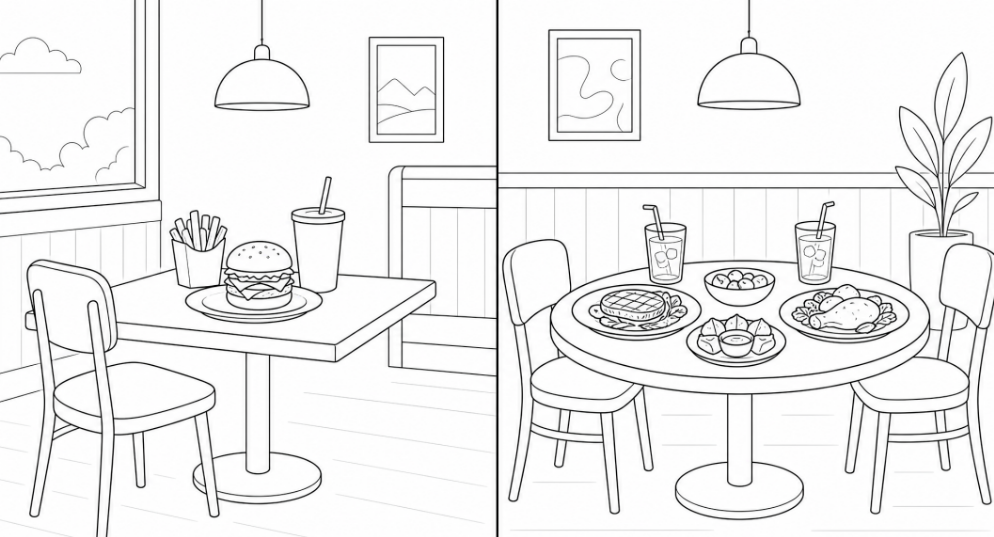
- Roommate meals for two
- Study-group bundles
- Shareable entrées with multiple sides
- Student club meal packages
The goal is to increase both the number of people included in each order and the average order value. When one customer brings several friends, the restaurant can generate more sales without having to acquire each guest separately.
3. Turn Student Traffic Into Long-Term Customer Relationships
Back-to-school season is not only an opportunity to generate immediate sales. It is also a chance to turn new students into regular customers.
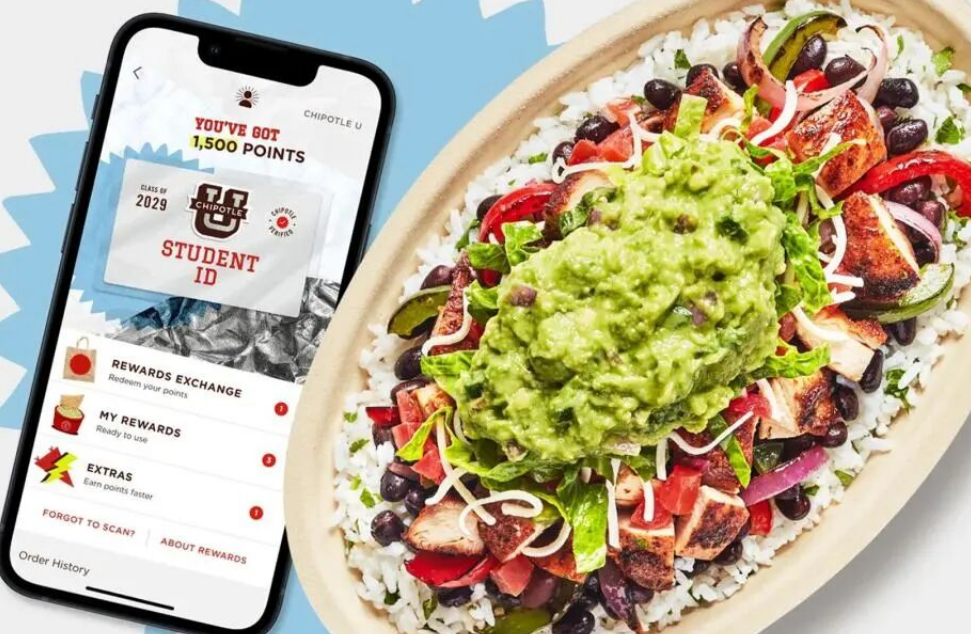
Chipotle’s Chipotle U Rewards program offers college students exclusive rewards and additional points. Instead of focusing only on one promotion, Chipotle uses the program to build relationships throughout a student’s college experience.
This strategy is just as valuable for independent restaurants. Many incoming students are new to the neighborhood and may remain there for several years.
If a back-to-school promotion brings students in for the first time and encourages them to join a loyalty program, the restaurant can later reach them with:
- New menu announcements
- Birthday rewards
- Holiday promotions
- Limited-time offers
- Campus event specials
One seasonal campaign can therefore help create a reliable customer base for years to come.
Use POS Data to Make Better Decisions
Large chains have advanced marketing and data-analysis capabilities, but modern restaurant technology makes similar insights more accessible to independent businesses.
A restaurant POS system can combine data from dine-in, takeout, and online orders. During back-to-school season, restaurant owners can use this information to identify:
- The dishes students order most often
- The busiest times of day
- The most popular meal combinations
- The promotions that attract new customers
- The offers that generate repeat visits
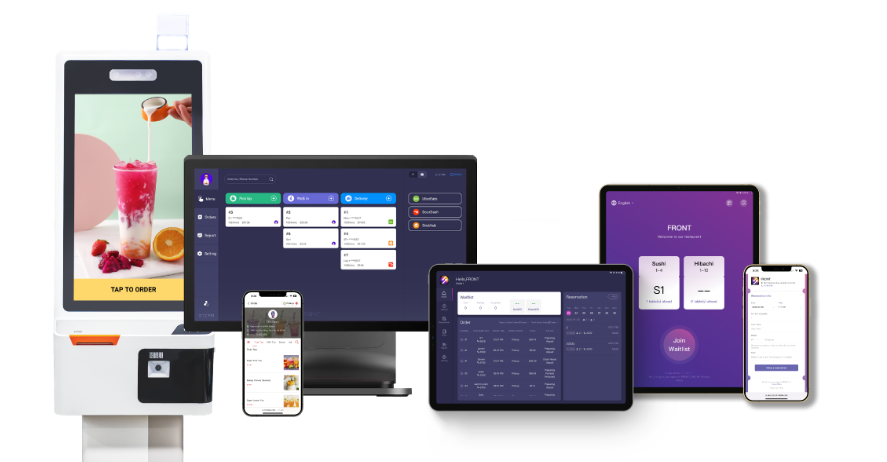
ZBS POS helps restaurant owners manage sales data across different ordering channels and better understand customer behavior. For Chinese restaurant owners in the United States, a POS system built around real restaurant workflows can make daily operations and marketing decisions easier.
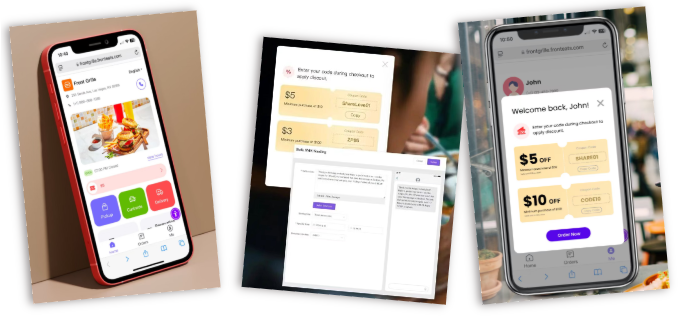
With integrated loyalty and SMS marketing tools, restaurants can also welcome new members, promote new dishes, and send targeted offers to existing customers.
Final Takeaway
7-Eleven, KFC, and Chipotle are not relying on discounts alone. They are paying attention to when customers eat, how they order, whom they dine with, and what encourages them to return.
For independent restaurants, back-to-school season is more than a short-term sales opportunity. By targeting the right dining occasions, encouraging group orders, and building customer relationships, restaurants can turn first-time student visitors into long-term regulars.
With sales data, loyalty tools, and a reliable restaurant POS system, small restaurants can make better decisions and build more sustainable growth in a competitive market.