How an Atlanta Skewer Restaurant Improved Ordering Efficiency with FRONT Mini Kiosk
PART01:案例引入

For restaurant owners operating overseas, attracting customers is only the first step. The bigger challenge is maintaining consistent service efficiency and delivering a smooth customer experience, especially during peak hours.
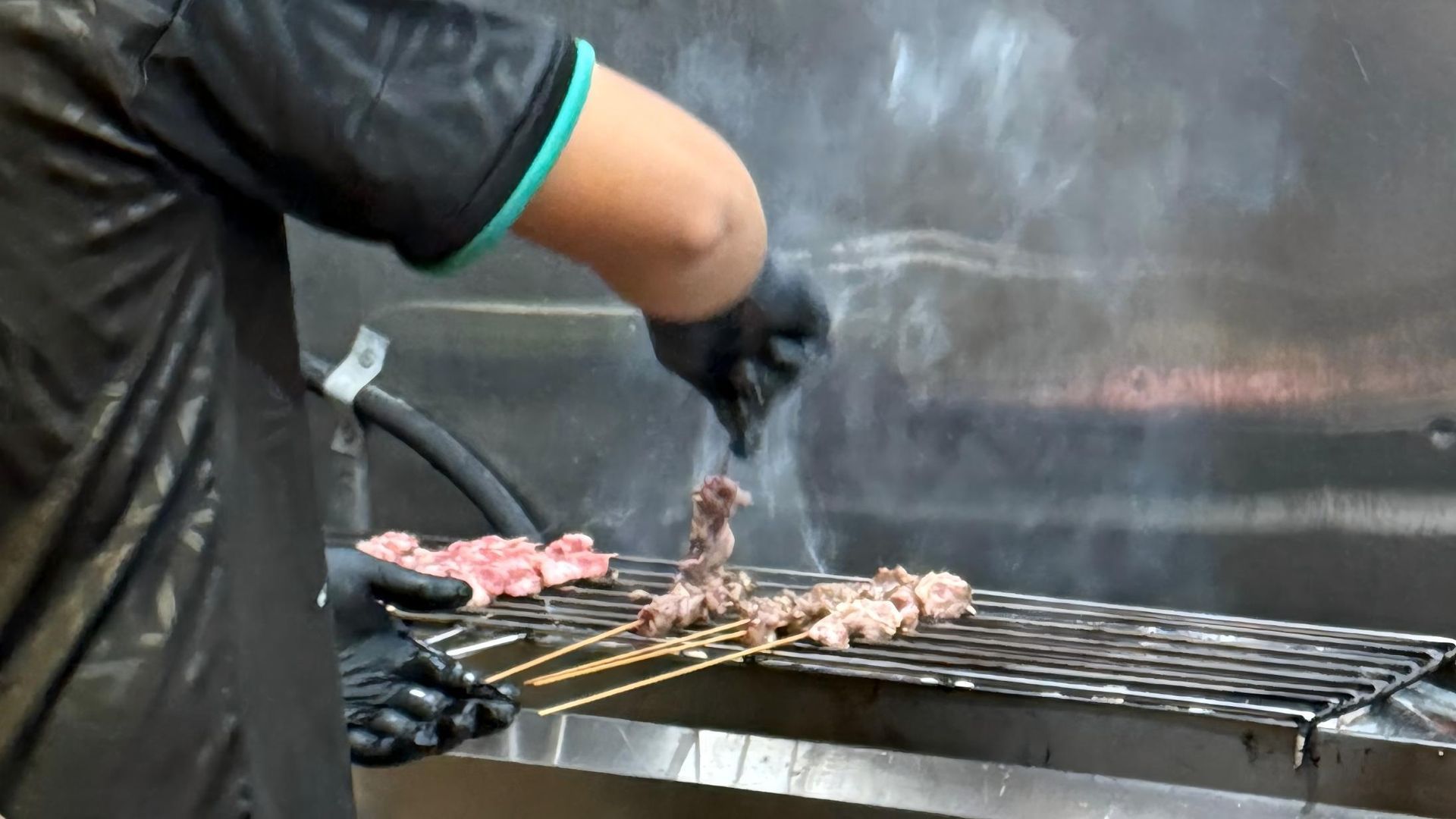
This case study features a Chinese skewer restaurant located in Atlanta, Georgia. Unlike traditional restaurants, the restaurant’s ordering model is closer to a self-service experience. With a wide variety of menu options, customers can select their preferred ingredients, customize their choices, and create a more personalized dining experience.
However, this unique business model also brought new challenges to traditional manual ordering processes.
1、Complex Menu Options Increased Ordering Time
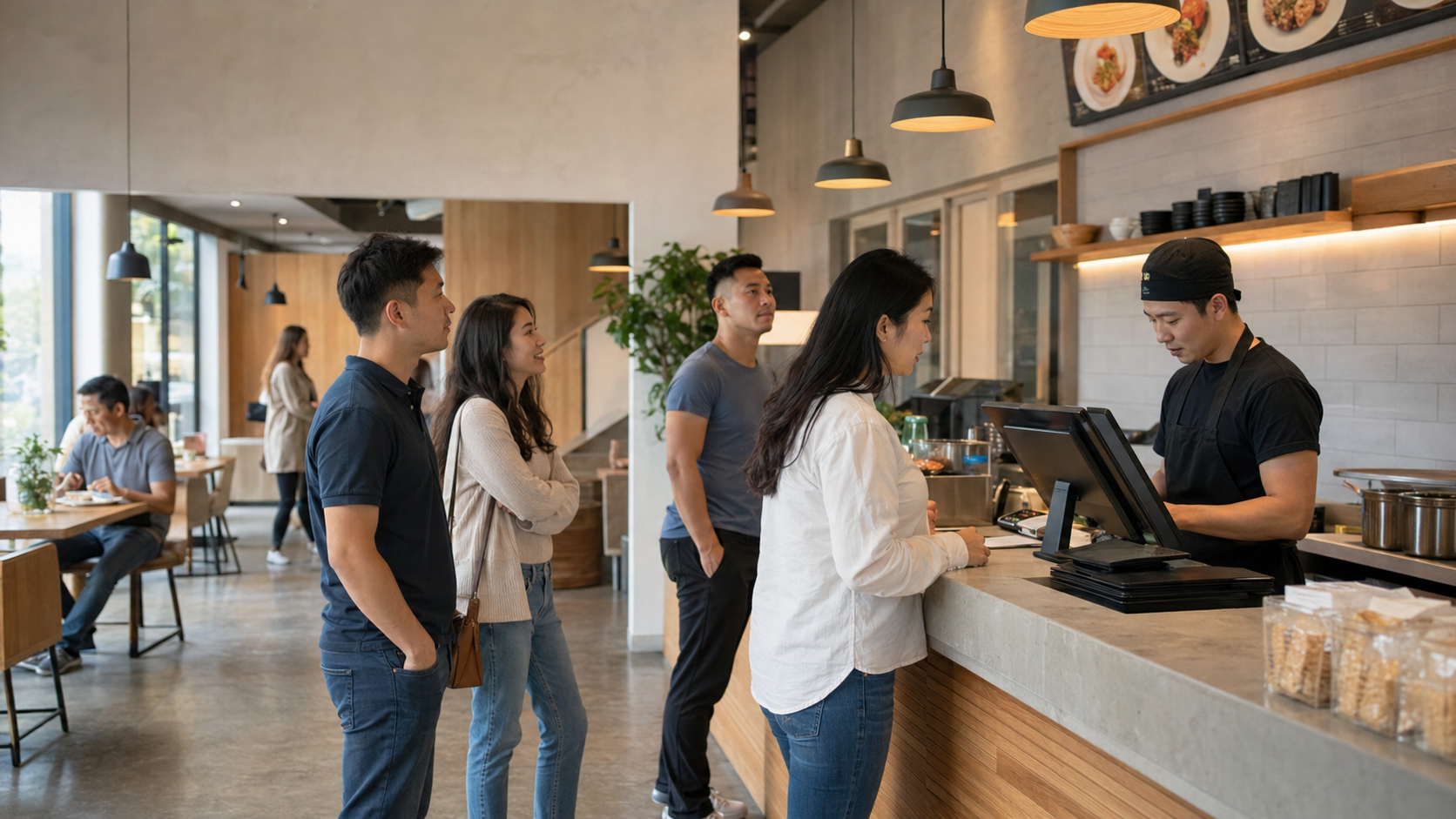
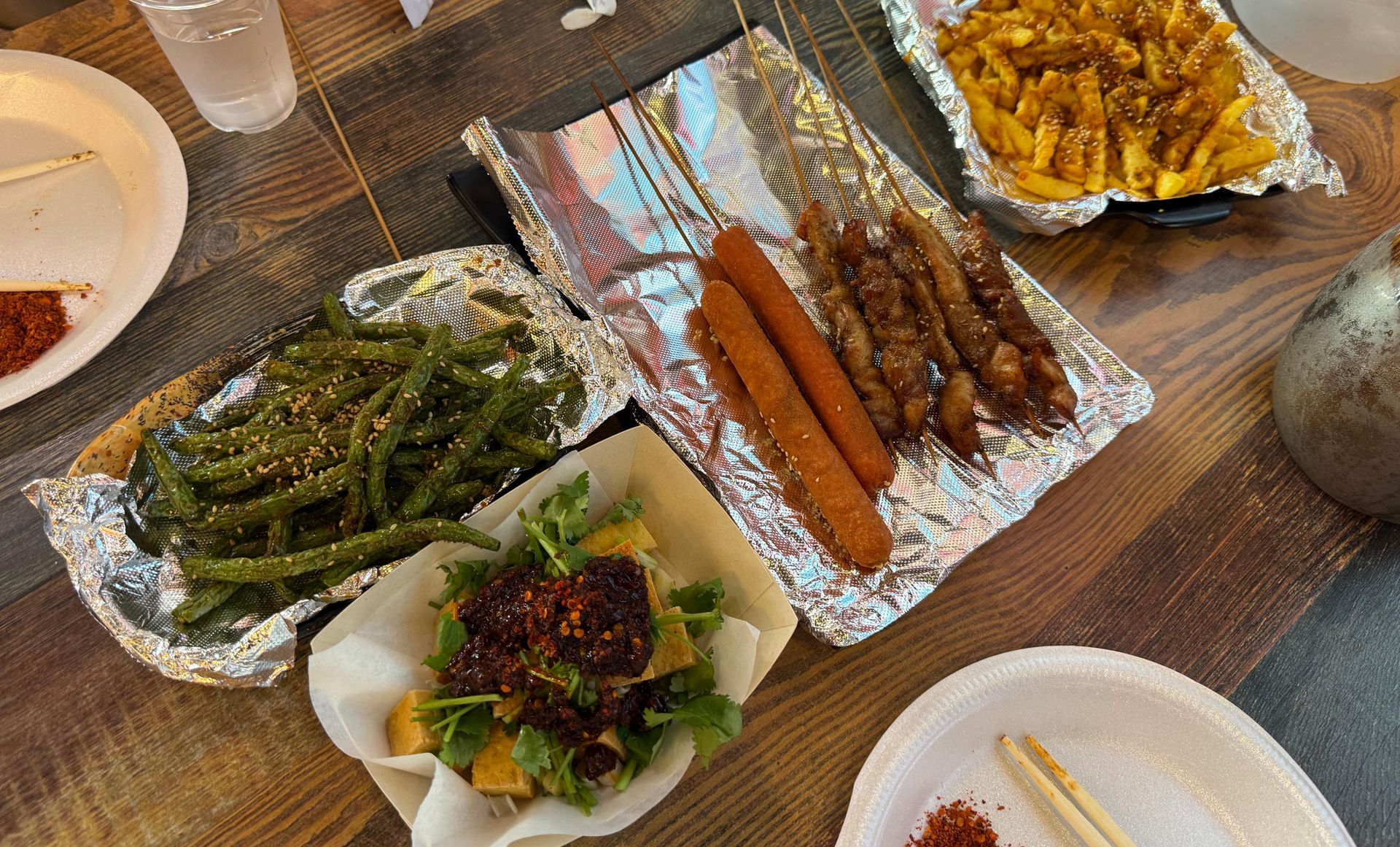
Skewer restaurants usually offer a wide selection of ingredients, sides, and flavor options. Customers often need time to browse the menu, compare choices, and decide what best matches their preferences.
With a traditional server-based ordering process, employees need to spend additional time explaining menu items, recording selections, and confirming order details. This can slow down service during busy periods and increase the risk of ordering errors caused by communication gaps.
2、Language Differences Created Communication Challenges
The North American restaurant market serves customers from diverse cultural and language backgrounds.
For this Atlanta skewer restaurant, customers included both Chinese-speaking guests familiar with the cuisine and local customers interested in exploring Chinese food for the first time.
Helping customers easily understand menu items, ingredients, and available options became an important part of improving the overall dining experience.
3、Rising Labor Costs Increased Operational Pressure
Labor costs continue to be a major challenge for many restaurants across North America.
Reducing repetitive manual tasks and improving employee productivity have become key priorities for restaurant owners looking to maintain efficient operations while controlling costs.
4、Limited Space Required a Flexible Ordering Solution
For small and medium-sized restaurants, making the most of available space is essential.
Adding more service capacity without expanding the restaurant footprint became another practical challenge.
The restaurant needed a solution that could preserve its unique self-service dining experience while improving ordering efficiency, reducing operational pressure, and adapting to the needs of a modern restaurant environment.
PART02:ZBS方案
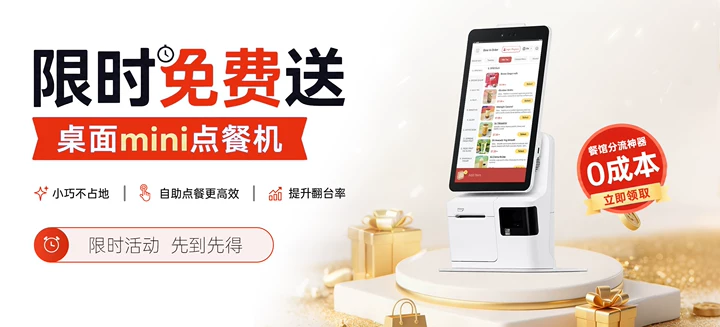
To address the restaurant’s operational challenges, FRONT provided a mini kiosk solution designed for restaurants with limited space, diverse menu options, and high customer demand.
By integrating self-service ordering technology into daily operations, the restaurant was able to create a more efficient ordering process while maintaining a flexible and customer-friendly dining experience.
1、Compact Design for Space-Constrained Restaurants
For restaurants in North America, maximizing the value of every square foot is essential.
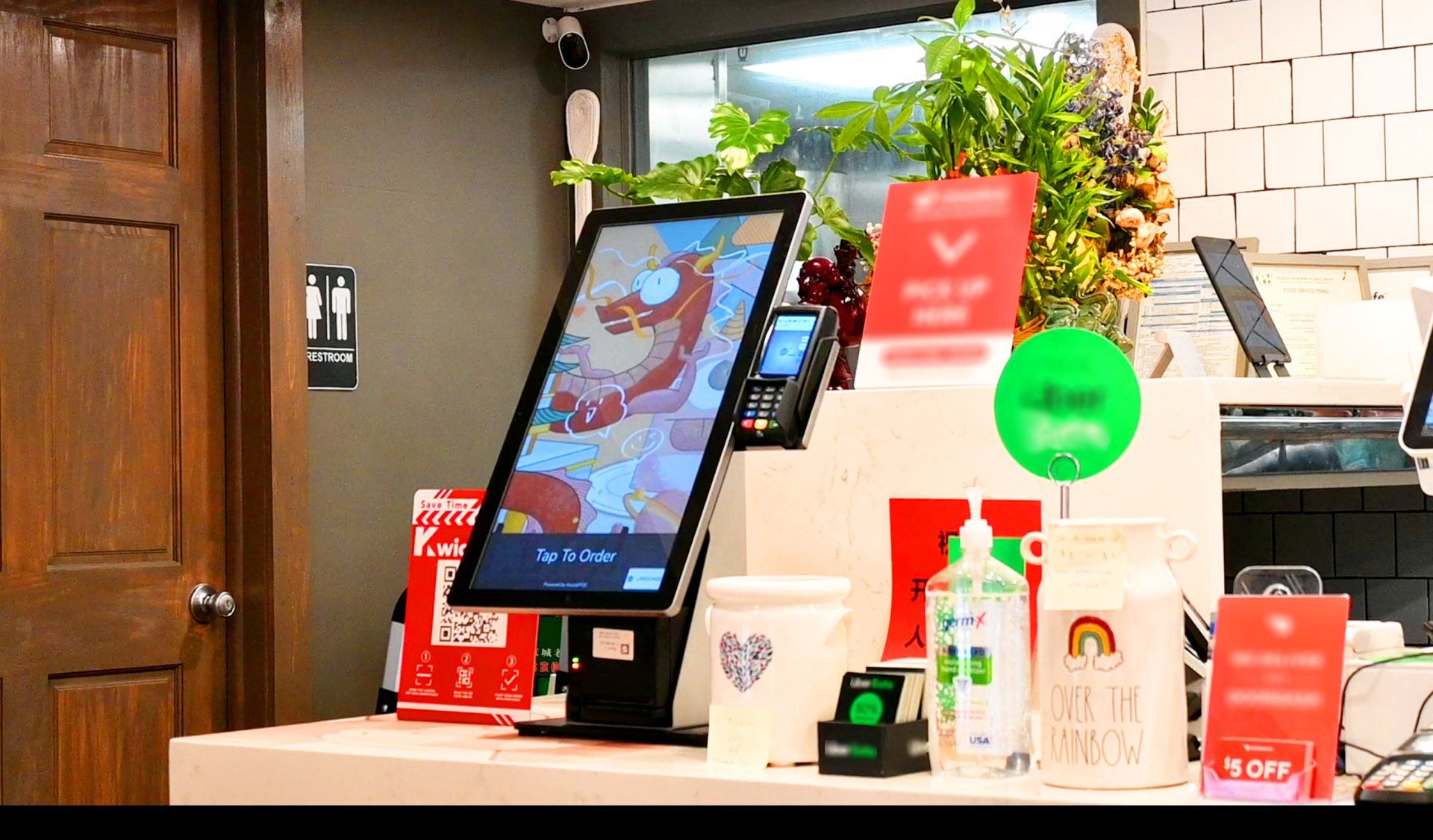
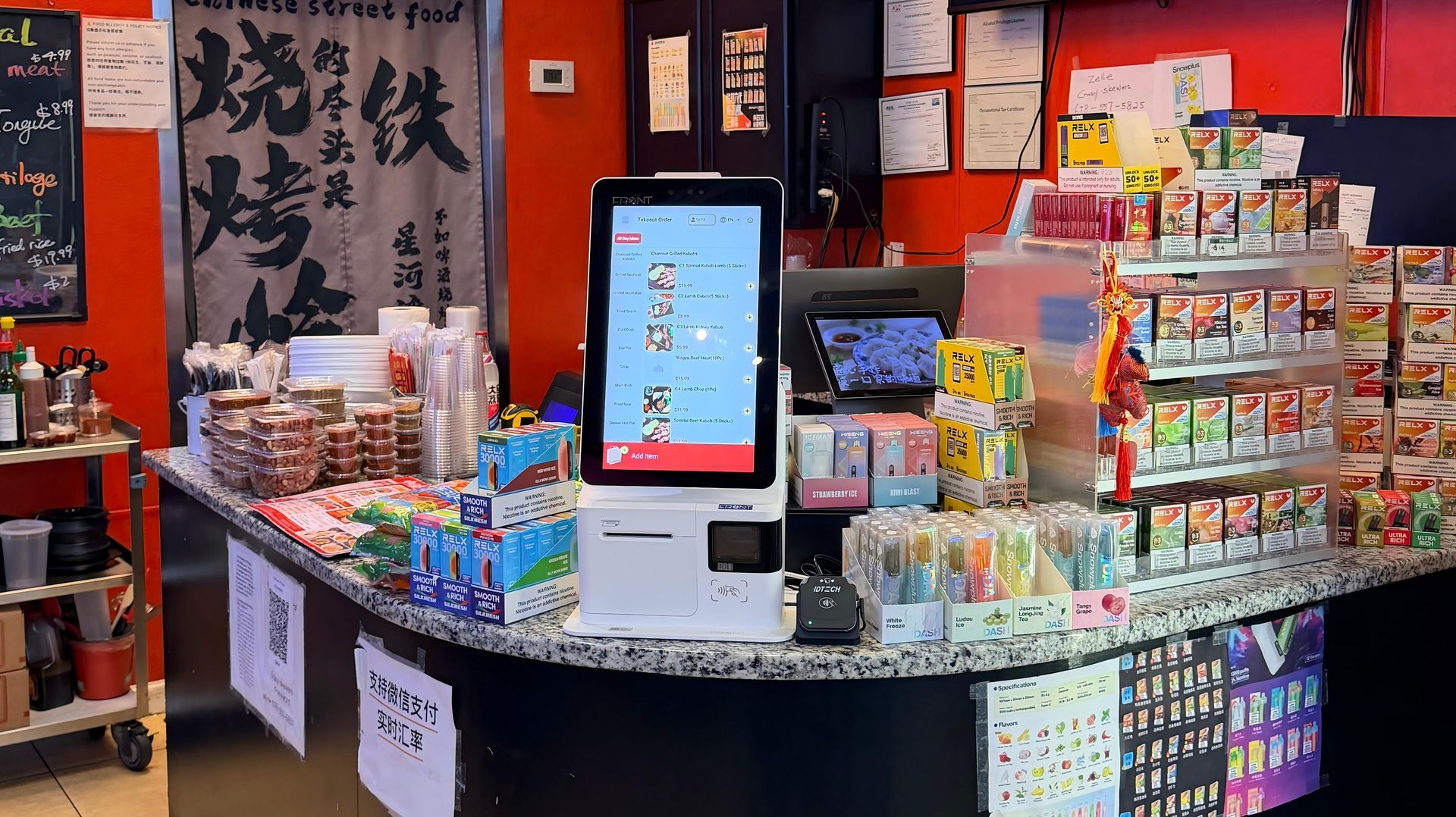
The FRONT mini kiosk occupies approximately the same footprint as an A4 sheet of paper, allowing it to be placed flexibly at the checkout counter or near the restaurant entrance.
Without requiring additional floor space or major layout changes, the kiosk creates an additional ordering channel and helps restaurants improve service capacity within their existing space.
2、Digital Menu Management Makes Ordering More Intuitive
Through the mini self-ordering kiosk, restaurants can customize their digital menus based on their business needs.
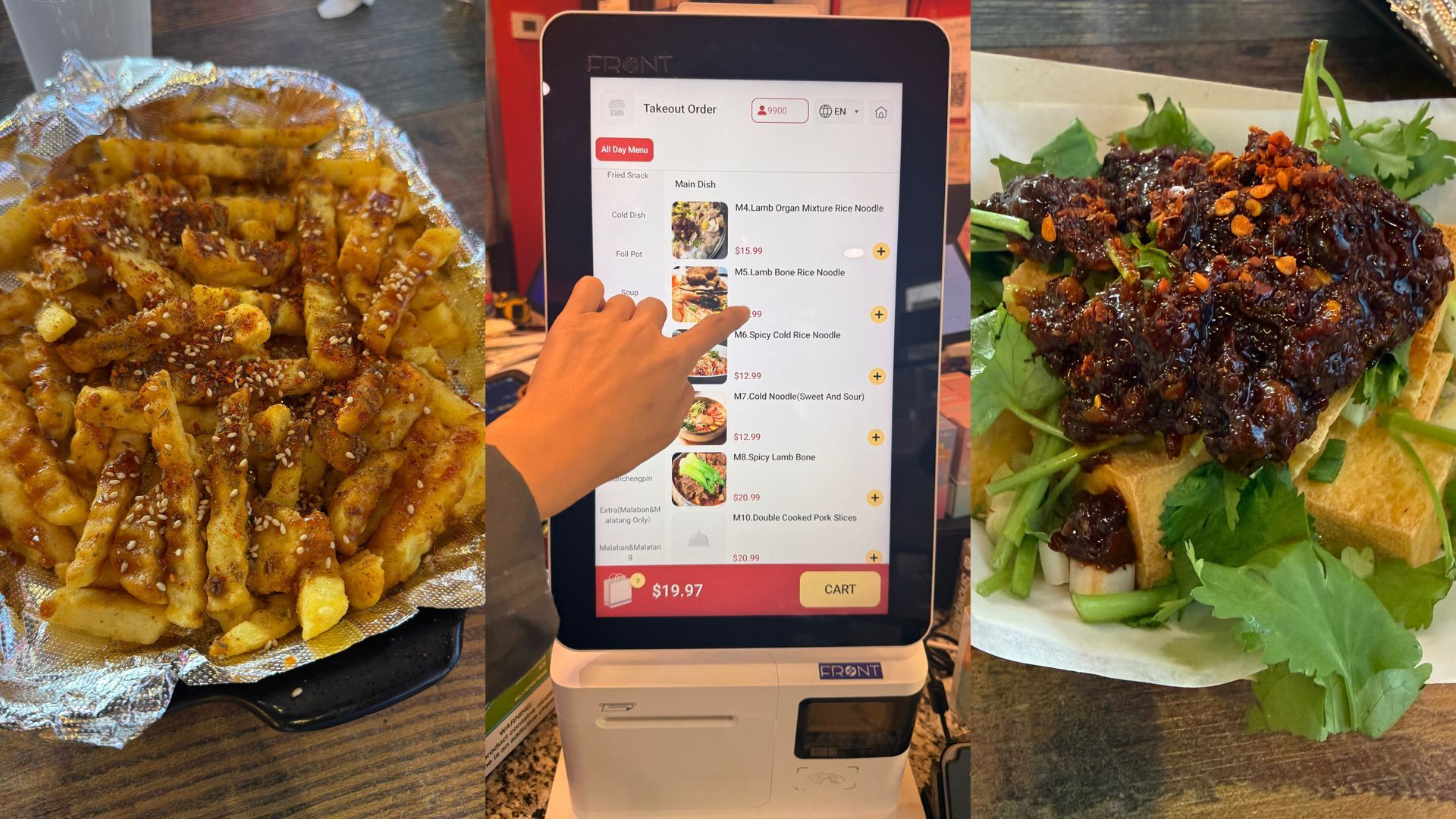
Different categories, including meat skewers, vegetable skewers, snacks, and beverages, can be clearly displayed, allowing customers to browse menu options and make selections independently.
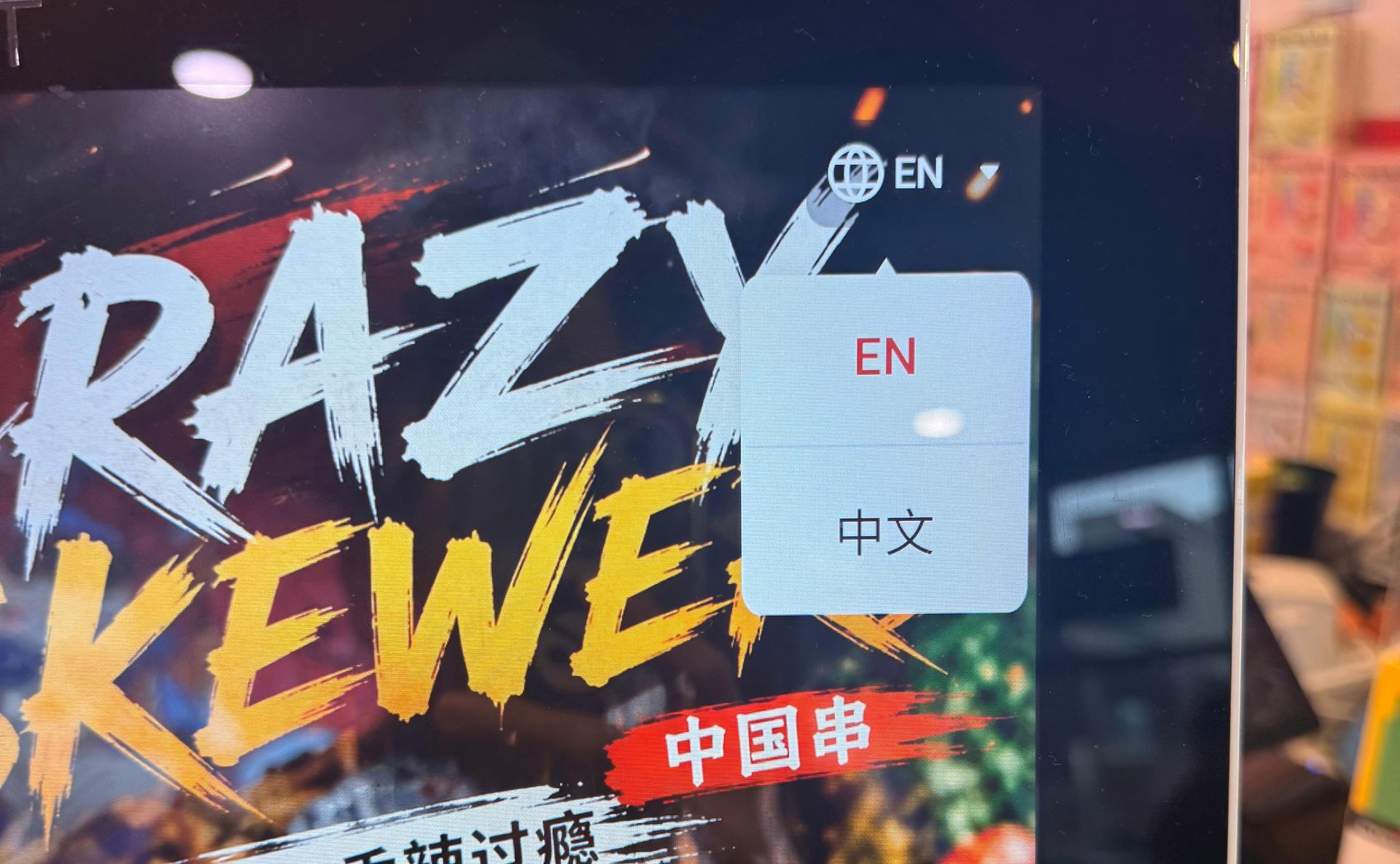
For restaurants serving customers from different language backgrounds, bilingual menu support helps guests better understand dishes, ingredients, and available options, reducing communication barriers between customers and staff.
3、Multiple Payment Options Improve Customer Convenience
Consumer payment preferences in North America are becoming increasingly diverse.
The FRONT mini kiosk supports multiple payment methods, allowing customers to complete the ordering and payment process quickly after selecting their items.
At the same time, order information is automatically synchronized with the restaurant’s POS system, helping staff manage orders more efficiently and gain better visibility into daily operations.
4、Reliable Operation Helps Restaurants Serve Customers More Efficiently
The mini kiosk provides reliable ordering support throughout different business periods.
During peak hours, when customer traffic increases and front-of-house staff face greater pressure, customers can independently browse the menu, select items, and complete payments through the kiosk.
During non-peak hours, the kiosk continues to provide a convenient self-service ordering option, helping restaurants capture more customer demand while improving operational flexibility.
PART 03:成效
By implementing the FRONT mini kiosk, the Atlanta skewer restaurant successfully upgraded its ordering process from traditional manual service to a more efficient digital ordering workflow.
For a restaurant model with a wide variety of menu choices and longer customer decision times, self-ordering technology not only improved the customer experience but also helped optimize daily operations, reduce repetitive tasks, and increase service efficiency.
1、Faster Ordering Process, Reducing 3–5 Minutes of Ordering Communication Time per Table
With FRONT mini kiosk, customers can independently browse the menu, select dishes, customize their choices, and complete payments without waiting for a server.
This reduces the time employees spend explaining menu items and confirming orders, allowing staff to focus more on customer service and restaurant operations.
Based on actual restaurant operating scenarios, self-ordering can help reduce approximately 3–5 minutes of ordering communication time per table, improving overall service efficiency during busy periods.
2、Reduced Repetitive Tasks and Approximately $3,000 in Monthly Operational Cost Savings
After introducing the mini kiosk, part of the restaurant’s standardized ordering process was handled through digital technology.
By reducing repetitive ordering tasks, the solution helped optimize labor allocation and improve employee productivity, resulting in approximately $3,000 in monthly operational cost savings.
At the same time, employees could dedicate more time to higher-value activities, including customer service, order coordination, food preparation support, and daily restaurant management.
3、Increased Service Capacity with Only an A4-Sized Footprint
For restaurants operating in limited spaces, improving service capability without expanding the physical footprint is a key operational goal.
The FRONT mini kiosk requires only approximately the space of an A4 sheet of paper, allowing the restaurant to add an additional ordering channel without remodeling the store or sacrificing valuable dining space.
With a compact design and flexible placement options, the kiosk helps small and medium-sized restaurants improve their service capacity while making better use of their existing space.
PART 04:结语
A mini kiosk is more than just an ordering device — it serves as an additional digital assistant for restaurant front-of-house operations.
With FRONT mini kiosk solution, more North American restaurants can adopt digital ordering technology in a flexible and cost-effective way.
Despite its compact design, the kiosk helps restaurants handle customer demand during busy periods by allowing guests to independently browse menus, place orders, and complete payments.
For restaurants looking to reduce waiting times, improve ordering efficiency, and optimize daily operations, the FRONT mini kiosk provides a practical solution designed for modern restaurant environments.
Eligible restaurants can now explore FRONT promotional programs and experience the benefits of a smarter ordering workflow.
Make your restaurant more efficient with FRONT — less waiting, smoother ordering, and smarter operations.